The Importance of Soft Tissue Management in Long-Term Implant Success 

When it comes to dental implants, most people focus on the titanium post or the artificial tooth. However, one crucial factor that often gets overlooked is soft tissue management. Proper care and attention to the gums and surrounding tissues play a vital role in ensuring that implants last for many years.  

Importance of Soft Tissue Management 

In this article, we’ll explore why dental soft tissue management is essential for long-term implant success and what it means for your overall oral health. 

Understanding Soft Tissue Around Dental Implants 

Soft tissue refers to the gums and mucosa that surround your dental implants. Just like natural teeth, implants need a healthy gum environment to stay stable and functional. The soft tissue acts as a protective barrier, preventing bacteria and debris from reaching the underlying bone and implant. 

If the gums around an implant are inflamed or recede, it can expose the implant to harmful bacteria, leading to complications such as peri-implantitis—a condition similar to gum disease but affecting implants. 

How Soft Tissue Affects Implant Stability 

The health of soft tissue directly influences how well your implant integrates with the bone. When the gums are thick and firmly attached around the implant, they provide a tight seal. This seal helps keep bacteria out and supports the bone that holds the implant in place. 

Conversely, thin or damaged soft tissue can create gaps where bacteria can accumulate. Over time, this may lead to bone loss and implant failure. Therefore, maintaining healthy gums is just as important as the initial surgical placement of the implant. 

Techniques for Effective Soft Tissue Management 

Dentists use several techniques to promote healthy soft tissue around implants. For example, during implant placement, they may perform soft tissue grafts to increase gum thickness and improve coverage. 

Additionally, proper shaping of the gum tissue around the implant crown helps create a natural appearance and supports hygiene. Regular professional cleanings are also essential, as they help control plaque buildup that can harm soft tissue. 

The Role of Patient Care in Soft Tissue Health 

Your role in managing soft tissue health is equally important. Good oral hygiene practices—like brushing twice daily and flossing around implants—help keep gums healthy and prevent infection. 

Furthermore, avoiding habits such as smoking can greatly improve soft tissue healing and maintenance. Smoking restricts blood flow, which can slow healing and increase the risk of gum disease around implants. 

Monitoring and Maintaining Soft Tissue Over Time 

Soft tissue management doesn’t end once the implant is placed. Regular dental checkups allow your dentist to monitor the health of your gums and catch any early signs of problems. 

If issues like inflammation or recession arise, prompt treatment can often save the implant from more serious complications. Your dentist may recommend specialized cleaning tools or even soft tissue treatments to restore gum health. 

Conclusion: Importance of Soft Tissue Management 

Soft tissue management is a critical but sometimes underestimated part of successful dental implants. Healthy gums protect the implant, support bone stability, and enhance the overall appearance of your smile. 

By understanding the importance of soft tissue, working closely with your dentist, and maintaining excellent oral hygiene, you can enjoy the benefits of your dental implants for many years to come. In the end, caring for your gums means caring for your smile’s long-term health. 

How Commercial Electricians Design and Install Power Systems for Large Facilities 

Designing and installing power systems for large facilities is no small task. Commercial electricians play a crucial role in making sure these complex buildings run smoothly and safely. From office buildings and factories to shopping centers and hospitals, the electrical systems must handle high demands while meeting strict safety codes.  

How Electricians Design Commercial Power Systems 

In this article, we’ll walk through how a commercial electrician Charleston SC approach the design and installation of power systems for large facilities, highlighting the key steps and considerations involved. 

Understanding the Facility’s Power Needs 

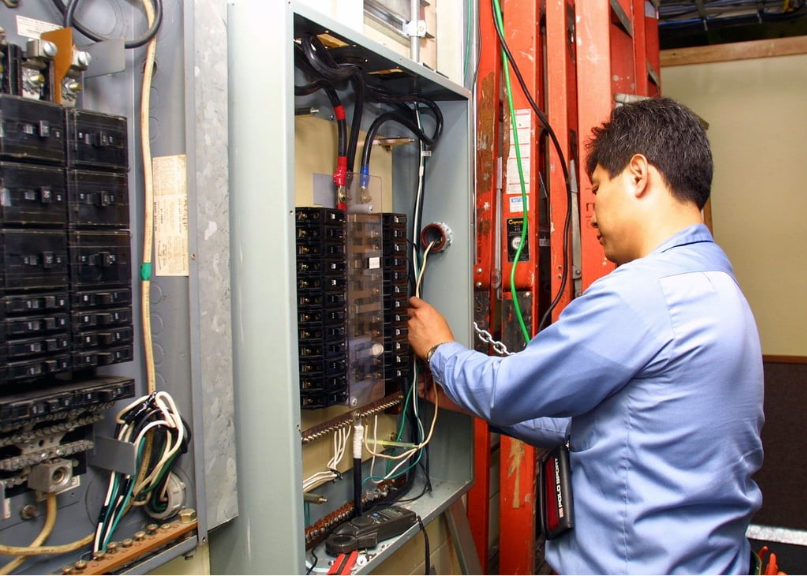
The first step commercial electricians take is understanding the facility’s specific power requirements. Every building has unique needs depending on its size, purpose, and the equipment it uses. For example, a manufacturing plant with heavy machinery requires more robust power distribution than a standard office building. 

Electricians work closely with engineers, architects, and facility managers to assess the electrical load, forecast future demands, and plan accordingly. This collaboration ensures the power system is designed to handle the current and anticipated needs efficiently. 

Designing a Safe and Efficient Power System 

Once the power requirements are clear, electricians begin designing the system. This process involves creating detailed electrical plans, including wiring layouts, panel locations, circuit breaker specifications, and backup power solutions. 

They also prioritize safety by ensuring the design complies with local electrical codes and standards. This step is critical because large facilities must prevent electrical hazards that could risk people’s safety or cause costly downtime. Furthermore, electricians consider energy efficiency, integrating technologies that reduce power consumption without compromising performance. 

Selecting the Right Equipment and Materials 

Choosing the proper equipment is essential for a reliable power system. Commercial electricians select transformers, circuit breakers, wiring, and control systems that match the facility’s needs and design specifications. 

Quality materials not only improve safety but also extend the lifespan of the system. For example, using high-grade copper wiring can reduce energy loss and prevent overheating. In addition, electricians often recommend surge protectors and grounding systems to safeguard sensitive equipment and maintain power stability. 

Installation and Coordination on Site 

With a solid design and equipment in hand, the installation phase begins. Commercial electricians coordinate closely with other contractors and tradespeople to ensure smooth progress. Because large facilities often have multiple systems being installed simultaneously, communication and scheduling are key. 

During installation, electricians carefully follow the design plans, running cables, mounting panels, and connecting devices. They also conduct tests at various stages to verify that the system works as intended and meets safety requirements. 

Testing, Troubleshooting, and Final Inspection 

After installation, thorough testing is crucial before the system goes live. Electricians use specialized equipment to check voltage levels, circuit integrity, and safety features like ground fault interrupters. 

If issues arise, they troubleshoot and make necessary adjustments. Finally, the system undergoes an official inspection to certify it meets all local codes and regulations. Once approved, the facility can confidently rely on its power system for everyday operations. 

Conclusion: How Electricians Design Commercial Power Systems 

Commercial electricians play a vital role in designing and installing power systems that keep large facilities running safely and efficiently. From assessing needs and designing layouts to selecting equipment and coordinating installation, their expertise ensures that electrical systems meet high standards. 

What Does a Commercial Electrician Do? A Look Inside the Trade 

When most people think of electricians, they often picture someone fixing wiring in a home. However, not all electricians work in residential settings. Commercial electricians specialize in larger, more complex systems found in businesses, retail centers, warehouses, and other commercial buildings. Their work is critical to the safe and efficient operation of modern infrastructure.  

Services a Commercial Electrician Offers 

Let’s take a closer look at what a commercial electrician Charleston SC does and how their role differs from other types of electricians. 

Understanding the Scope of Commercial Electrical Work 

Commercial electricians work on electrical systems in commercial properties, which tend to be more complex than those in homes. These buildings often require higher voltage systems, advanced lighting setups, and larger-scale circuit designs. As a result, commercial electricians must have a strong understanding of electrical theory, code compliance, and specialized equipment. 

They often handle new construction projects, renovations, and maintenance in environments like office buildings, schools, shopping malls, and hospitals. 

Installation of New Electrical Systems 

One of the core responsibilities of a commercial electrician is installing new electrical systems. This includes: 

  • Running conduit and wiring throughout large buildings 

  • Setting up panels, transformers, and circuit breakers 

  • Installing energy-efficient lighting and control systems 

  • Wiring for data, fire alarms, and security systems 

In new commercial construction, electricians typically work from blueprints and must coordinate with other contractors, such as HVAC and plumbing professionals, to ensure all systems work in harmony. 

Maintenance and Troubleshooting 

Once a commercial building is up and running, it requires ongoing electrical maintenance. This is where commercial electricians really show their value. They conduct routine inspections to catch small issues before they become major problems. If an issue does occur, they use specialized diagnostic tools to troubleshoot and resolve it quickly. 

Maintenance tasks might include: 

  • Replacing worn-out wiring or fixtures 

  • Upgrading outdated panels or breakers 

  • Checking emergency lighting and fire alarm systems 

  • Testing electrical loads and system performance 

These tasks help ensure that businesses operate without interruption and stay compliant with safety regulations. 

Compliance with Safety and Building Codes 

Commercial electrical work is held to strict standards for safety and efficiency. Electricians in this field must stay updated on national, state, and local electrical codes. They must also understand the unique requirements of commercial environments—especially those that deal with sensitive equipment or heavy machinery. 

Working in Dynamic and Demanding Environments 

Unlike residential electricians who typically work in homes, commercial electricians often find themselves in high-paced environments. They may be called to work on high-rise buildings, large offices, or bustling retail centers. The job can involve long hours, tight deadlines, and frequent collaboration with contractors and facility managers. 

Tools and Technology in Commercial Electrical Work 

Commercial electricians use a variety of tools to get the job done—some common, others highly specialized. Beyond hand tools like pliers and wire cutters, they rely on: 

  • Voltage testers and multimeters 

  • Conduit benders 

  • Cable pullers 

  • Infrared thermometers for thermal diagnostics 

Conclusion: Services a Commercial Electrician Offers 

Commercial electricians play a vital role in keeping the lights on, the machines running, and the buildings safe. Whether it’s a small business or a large industrial facility, a commercial electrician’s work helps power the operations behind the scenes. If you’re planning a commercial project, bringing in a qualified commercial electrician early can make all the difference. 

What Are the Advantages of Janitorial Services? 

Janitorial services are an integral component of maintaining cleanliness, hygiene, and organization in various environments – from office buildings and schools to retail stores and healthcare facilities.  

Advantages of Janitorial Services 

Here are some significant advantages that janitorial services offer and the hoarder cleaning service Pittsburgh Pennsylvania

Enhanced Cleanliness and Hygiene:  

At its core, a janitorial service ensures that your facility is clean and hygienic. Trained janitors use professional-grade cleaning tools and products to disinfect surfaces, reducing the spread of germs and contributing to a healthier environment. This level of cleanliness is often beyond what an untrained person could achieve. 

Time and Cost Efficiency:  

Engaging janitorial services can save you a considerable amount of time, freeing you to focus on your core business operations. Additionally, when you consider the cost of purchasing cleaning equipment and products, and the time spent by employees cleaning instead of performing their primary duties, hiring a professional service often proves to be cost-effective. 

Customized Cleaning Solutions:  

Janitorial services typically offer customizable cleaning plans to meet the unique needs of your facility. Whether you need daily, weekly, or monthly cleaning, or have specific cleaning requirements, these services can adapt to suit your needs. 

Increased Productivity:  

A clean and organized work environment contributes to increased productivity. Studies have shown that employees are more focused and productive in a clean workspace. By maintaining cleanliness, janitorial services can indirectly contribute to your team’s overall productivity. 

First Impressions:  

The cleanliness of a facility significantly impacts first impressions. Whether it’s clients, customers, potential hires, or partners, a clean and well-maintained environment projects professionalism and care, positively impacting your brand image. 

Extended Facility Lifespan:  

Regular and thorough cleaning by a professional janitorial service can help extend the lifespan of your facility and its fixtures. Professional janitors know how to properly clean and maintain various surfaces, reducing wear and tear. 

Expertise and Experience:  

Janitorial services bring expertise and experience that are typically lacking in an in-house cleaning staff. They are up-to-date with the latest cleaning techniques, products, and equipment, ensuring efficient and effective cleaning. 

Access to a Wide Range of Services:  

Janitorial services often extend beyond basic cleaning to include a wide range of services such as carpet and upholstery cleaning, window washing, power washing, floor polishing, and more. This provides a comprehensive cleaning solution for your facility. 

Reduced Liability:  

Cleaning work can involve risks, like slips and falls or handling hazardous cleaning products. By outsourcing to a professional janitorial service that is insured, you transfer these risks and reduce your liability. 

24/7 Availability:  

Many janitorial services offer 24/7 availability, ensuring that cleaning and maintenance tasks can be performed outside of your business hours for minimal disruption. 

Conclusion: Advantages of Janitorial Services  

Janitorial services offer numerous advantages that contribute to a cleaner, healthier, and more productive environment. They combine expertise, flexibility, and comprehensive services to deliver effective cleaning solutions, tailored to your needs. By investing in a professional janitorial service, you’re investing in the wellbeing of your employees, the impression you make on visitors, and the longevity of your facility. 

Questions To Ask When Looking for a Commercial Construction Company? 

Hiring the right commercial construction company is a crucial step in the success of any building project. It can be a daunting task, but asking the right questions can guide you towards making an informed decision.  

Questions To Ask When Looking for a Commercial Construction Company? 

Here are the key questions you should ask when evaluating potential commercial construction company Atlanta GA

What is your experience with commercial projects like mine? 

This question is vital in assessing the company’s familiarity with your specific project type. Commercial construction is a broad field, and you want to ensure they have experience in projects that mirror yours in size, complexity, and industry. 

Can you provide references from past clients? 

References allow you to verify the company’s claims about their work quality, professionalism, and reliability. Take the time to reach out to these references and ask about their experiences with the company. 

Are you licensed and insured? 

You want to ensure that the company is licensed to operate in your area and adheres to local regulations and industry standards. Also, they should have adequate insurance to cover any damages or accidents that may occur during the project. 

Who will be managing my project, and what will be their responsibilities? 

Understanding the company’s project management process and who will be your primary point of contact helps set expectations. It will also provide insight into their communication practices and how they handle coordination, oversight, and problem-solving. 

Can you provide a detailed project timeline and cost estimate? 

A professional company should be able to give a realistic timeline and comprehensive cost estimate for your project. This shows their understanding of the project and their ability to plan and manage resources effectively. 

What safety measures do you employ? 

The company should be committed to maintaining a safe working environment. Ask about their safety protocols, training, and if they’ve ever had any safety incidents on their job sites. 

How do you handle changes or unexpected challenges during the project? 

Changes and unforeseen issues are a part of many construction projects. How a company deals with these changes can impact the project’s cost, timeline, and overall success. Their answer will give you a sense of their problem-solving capabilities and flexibility. 

How sustainable are your construction practices? 

If sustainability is important to you, ask about the company’s green building practices. This could include using environmentally friendly materials, energy-efficient construction methods, and waste management strategies. 

What warranties or post-construction services do you offer? 

Knowing the company’s policies on post-construction services can be essential for future maintenance or if issues arise after the project’s completion. Some companies offer warranties on their work or have dedicated teams to handle post-construction services. 

How do you maintain communication with clients during the project? 

Regular, transparent communication is key to a smooth construction process. Ask how the company plans to keep you updated on the project’s progress and how they handle queries or concerns. 

Conclusion: Questions to Ask When Looking for a Commercial Construction Company? 

Remember, the objective is to find a commercial construction company that aligns with your project needs, demonstrates professional competence, and maintains transparency in their operations. Their responses to these questions will provide valuable insights, helping you make an informed decision that ensures the successful completion of your project.